


Introduction
We present a detailed, balanced, and authoritative examination of the PC Sarah Levine misconduct hearing, focusing on the procedural framework, the standards applied, and the wider implications for policing and public confidence. This article is written to inform readers with clarity and precision, emphasizing verified processes, transparent governance, and the legal safeguards that underpin misconduct proceedings in the United Kingdom. We maintain a professional tone throughout and rely on publicly recognized procedures rather than conjecture.
Context of Police Misconduct Hearings
Police misconduct hearings exist to uphold integrity, fairness, and accountability within law enforcement. These hearings are designed to assess whether an officer’s conduct meets the professional standards expected by the public and the service. They are structured, evidence-led, and subject to rigorous rules of disclosure and representation.
In the case of a misconduct hearing involving a serving officer, the process typically follows established regulations, ensuring that allegations are tested objectively. The aim is not only to determine outcomes but also to reinforce ethical policing and public trust.
How Misconduct Hearings Are Initiated
Misconduct proceedings may be initiated following complaints from the public, internal reviews, or referrals from oversight bodies. Once concerns meet a defined threshold, an investigation is opened. Investigators gather statements, digital records, and other relevant materials. The officer concerned is informed of the allegations and afforded the right to legal representation.
Oversight may involve independent scrutiny, including the role of the Independent Office for Police Conduct, which ensures impartiality in serious or sensitive cases. This structure is central to maintaining credibility.
Allegations and Standards of Proof
It is essential to distinguish allegations from findings. Allegations are claims that must be tested against evidence. The standard applied in misconduct hearings is the civil standard, meaning the panel determines whether matters are proven on the balance of probabilities.
Professional standards typically assessed include honesty, integrity, authority, respect, and discreditable conduct. Panels evaluate whether actions, if proven, fall below these standards. We emphasize that no determination exists until the hearing concludes and findings are formally announced.

The Hearing Panel and Its Role
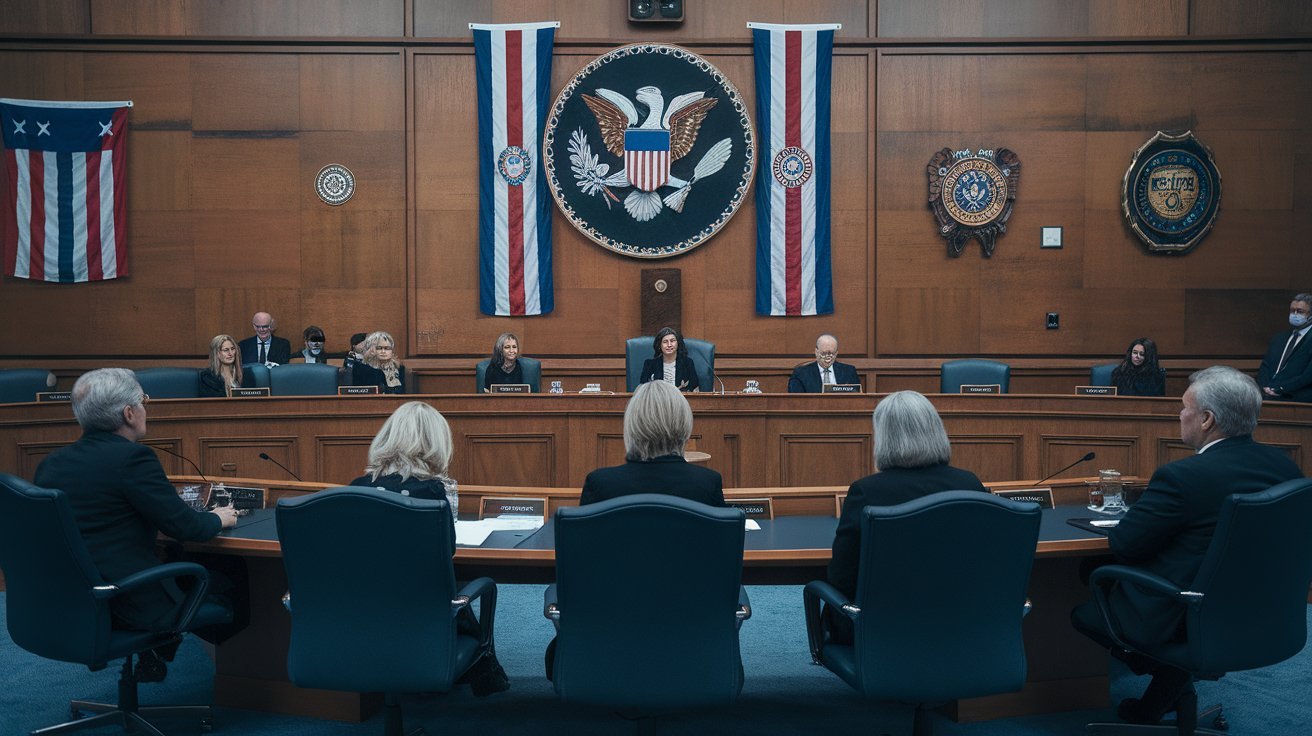
A misconduct hearing panel is usually composed of a legally qualified chair, senior policing representatives, and independent members. This blend ensures legal rigor, operational understanding, and public perspective.
The panel’s responsibilities include:
-
Reviewing evidence presented by the appropriate authority.
-
Hearing representations from the officer or their legal team.
-
Ensuring procedural fairness at every stage.
-
Delivering reasoned decisions that are recorded and published where appropriate.
Rights of the Officer Involved
Due process is foundational. The officer subject to proceedings has the right to:
-
Receive full disclosure of the case against them.
-
Be represented by legal counsel or a federation representative.
-
Challenge evidence and present their own case.
-
Appeal outcomes in line with statutory provisions.
These safeguards ensure that misconduct hearings are fair, proportionate, and just.
Public Transparency and Reporting
Transparency is vital for public confidence. Outcomes of misconduct hearings are often published, subject to legal restrictions. Reporting typically includes the nature of allegations, findings, and any sanctions imposed. This openness demonstrates accountability while respecting privacy and legal obligations.
In cases attracting public interest, clear communication helps prevent misinformation and supports informed discussion.
Potential Outcomes and Sanctions
Outcomes vary depending on findings. Where allegations are not proven, no action is taken. Where misconduct is established, sanctions may include:
-
Management advice or written warnings.
-
Final written warnings.
-
Reduction in rank.
-
Dismissal without notice in the most serious cases.
Each sanction aligns with guidance to ensure consistency across cases.
Impact on Policing and Community Confidence
Misconduct hearings serve a dual purpose. They address individual accountability and reinforce institutional standards. When conducted properly, they demonstrate a commitment to ethical policing and continuous improvement.
Communities expect fairness, transparency, and learning from mistakes. Publishing outcomes and lessons learned supports these expectations and strengthens trust.
Learning and Professional Development
Beyond sanctions, hearings often identify systemic improvements. These may include enhanced training, clearer guidance, or changes in supervision. Embedding lessons learned is critical to preventing recurrence and elevating professional practice.
Media Coverage and Responsible Reporting
Responsible reporting avoids speculation and respects due process. Accurate coverage focuses on verified facts, procedural milestones, and confirmed outcomes. This approach protects individuals’ rights while keeping the public informed.
Conclusion
We have outlined the PC Sarah Levine misconduct hearing within the broader framework of police accountability, due process, and public transparency. By centering on established procedures and safeguards, we underscore the importance of fair hearings that balance individual rights with the public interest. Such processes are essential to maintaining confidence in policing and ensuring that professional standards remain robust.