


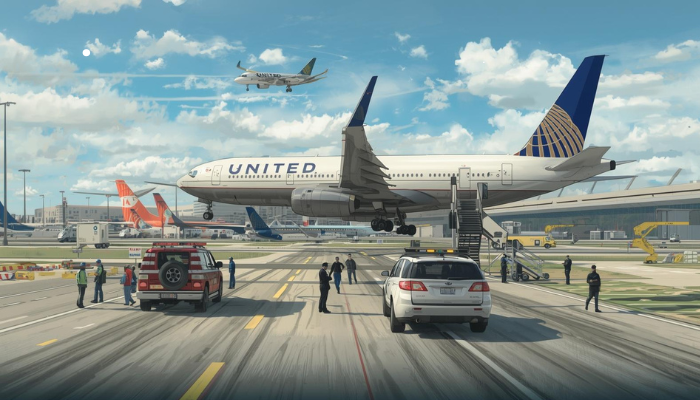
Overview of United Airlines Flight UA770 Emergency Diversion
The United Airlines Flight UA770 emergency diversion drew immediate attention from passengers, aviation professionals, and the traveling public. When a commercial aircraft alters its planned route unexpectedly, questions arise quickly. What happened onboard? Why was the diversion necessary? How did the airline respond? We present a clear and factual account of the UA770 incident, focusing on accuracy, verified procedures, and industry context.
United Airlines Flight UA770 was operating a scheduled international route when the flight crew identified a situation that required immediate action. Following established safety protocols, the pilots decided to divert the aircraft to the nearest suitable airport. This decision prioritized passenger safety above all else, in line with standard aviation risk management principles.
Emergency diversions are not uncommon in global aviation. Airlines conduct thousands of flights daily, and while the vast majority arrive without incident, unexpected technical alerts, medical emergencies, or environmental concerns occasionally require a diversion. The UA770 event fits within this broader operational framework rather than standing as an anomaly.
Flight Details and Route Information
United Airlines Flight UA770 was scheduled as a long-haul service, operating with a wide-body aircraft designed for extended international travel. The route connected major global hubs, carrying a mix of business travelers, families, and international passengers.
Before departure, the aircraft underwent standard pre-flight inspections, including mechanical checks, fuel calculations, and systems diagnostics. Weather conditions along the planned route were monitored and deemed acceptable at the time of takeoff.
As the flight progressed, cockpit instruments and onboard monitoring systems provided continuous data to the flight crew. Modern aircraft are equipped with advanced alert systems designed to detect irregularities early. When an alert appeared during the cruise, the pilots evaluated the data in coordination with airline operations and maintenance teams on the ground.
What Triggered the Emergency Diversion
The decision behind the United Airlines Flight UA770 emergency diversion was driven by safety procedures rather than immediate danger. According to standard aviation practice, any unexpected system indication is treated seriously until fully understood.
Possible triggers for such diversions typically include:
-
Mechanical system alerts
-
Engine performance anomalies
-
Cabin pressurization concerns
-
Medical emergencies involving passengers or crew
-
Smoke or unusual odors detected onboard
In the case of UA770, available reports indicate that the flight crew identified a technical alert that warranted precautionary action. While the aircraft remained controllable and stable, aviation regulations require pilots to land at the nearest appropriate airport when system reliability is in question.
This conservative approach minimizes risk and ensures that maintenance teams can inspect the aircraft thoroughly before it continues service.
Pilot Decision Making and Crew Coordination
The professionalism of the flight crew plays a critical role during any emergency diversion. On Flight UA770, the pilots followed a structured decision-making process that aligns with international aviation standards.
The captain and first officer reviewed cockpit alerts, consulted checklists, and communicated with United Airlines operational control. These steps are designed to eliminate guesswork and ensure that decisions are based on verified data rather than assumptions.
Cabin crew members were briefed promptly. Their role focused on maintaining calm in the cabin, preparing passengers for a diversion, and ensuring safety procedures were followed. Clear communication between cockpit and cabin is essential during such events, and it remains a cornerstone of airline safety culture.
Passenger Experience During the Diversion
For passengers, an emergency diversion can be unsettling, especially when details are limited. On United Airlines Flight UA770, the crew addressed this challenge by providing timely announcements and reassurance.
Passengers were informed that the diversion was precautionary and that the aircraft was operating safely. This transparency helps reduce anxiety and fosters trust between travelers and airline staff.
Inside the cabin, standard safety measures were reinforced. Seatbelt signs remained illuminated, and cabin service was adjusted as needed. Despite the disruption, reports indicate that passengers remained cooperative and calm, a testament to effective crew management.
Landing and Ground Response
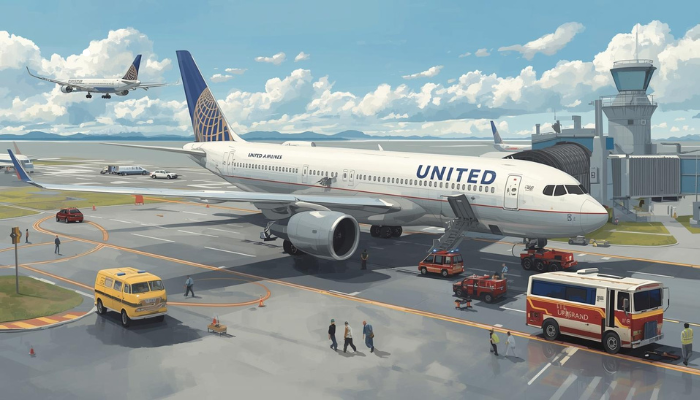
Once the decision to divert was made, air traffic control coordinated a priority landing for Flight UA770. Emergency services were positioned as a standard precaution, a routine practice that does not necessarily indicate a difficult situation.
The aircraft landed safely without incident. Upon arrival, maintenance teams conducted a detailed inspection to identify the source of the alert. Passengers remained onboard until clearance was given, after which normal deplaning procedures began.
United Airlines staff on the ground assisted travelers with rebooking, accommodations, and onward travel arrangements. Such support is a key component of airline responsibility following unexpected diversions.
Aircraft Safety Systems and Preventive Protocols
The United Airlines Flight UA770 emergency diversion highlights the effectiveness of modern aviation safety systems. Aircraft today are engineered with multiple layers of redundancy. When one system reports an irregularity, others are designed to compensate, allowing the aircraft to continue operating safely until landing.
Preventive diversions are a sign of a healthy safety culture. Rather than waiting for a problem to escalate, airlines act early. This approach reduces the likelihood of serious incidents and reinforces public confidence in air travel.
Aviation authorities worldwide mandate strict reporting and inspection requirements after such events. Aircraft are not returned to service until engineers confirm full airworthiness.
How United Airlines Handles Emergency Diversions
United Airlines follows industry best practices when managing emergency diversions. These procedures include immediate coordination between flight crews, operations control centers, maintenance teams, and customer service departments.
After Flight UA770 diverted, United Airlines initiated its disruption management protocols. These ensure that passengers receive accurate information, alternative travel options, and necessary accommodations when delays extend overnight.
Such responses are not improvised. They are rehearsed through regular training and simulations, ensuring consistency across the airline’s global network.
Impact on Flight Schedules and Operations
An emergency diversion inevitably affects schedules. Aircraft availability, crew duty limits, and airport logistics must all be recalculated. In the case of UA770, subsequent flights using the same aircraft may have experienced delays or cancellations.
Airlines manage these disruptions by repositioning aircraft, adjusting crew assignments, and communicating with affected passengers. While inconvenient, these operational impacts are secondary to safety priorities.
Public and Media Attention
Events like the United Airlines Flight UA770 emergency diversion often attract media coverage, particularly on social platforms where flight tracking data is publicly accessible. While speculation can spread quickly, verified information from airline statements and aviation authorities remains the most reliable source.
Responsible reporting focuses on confirmed facts rather than assumptions. Emergency diversions, while newsworthy, are evidence of systems working as designed rather than signs of failure.
What This Incident Means for Air Travelers
For travelers, the UA770 diversion reinforces an important reality of aviation. Safety decisions are made conservatively and proactively. While diversions disrupt travel plans, they reflect a commitment to minimizing risk.
Passengers can take reassurance in knowing that airlines, pilots, and regulators prioritize safety over schedules. This philosophy underpins commercial aviation’s strong safety record worldwide.
Conclusion
The United Airlines Flight UA770 emergency diversion serves as a clear example of aviation safety in action. From early detection and decisive pilot action to coordinated ground response and passenger support, every stage reflected established safety protocols.
Rather than signaling danger, such diversions demonstrate the effectiveness of modern aircraft systems and airline procedures. For passengers and industry observers alike, UA770 stands as a reminder that precaution and professionalism remain at the heart of global air travel.